Facing Foreclosure in Escondido? Your Options & Solutions
 Todd Nedden
Facing foreclosure in Escondido and unsure what to do next? Learn how to protect your rights, explore options, and evaluate selling your home.
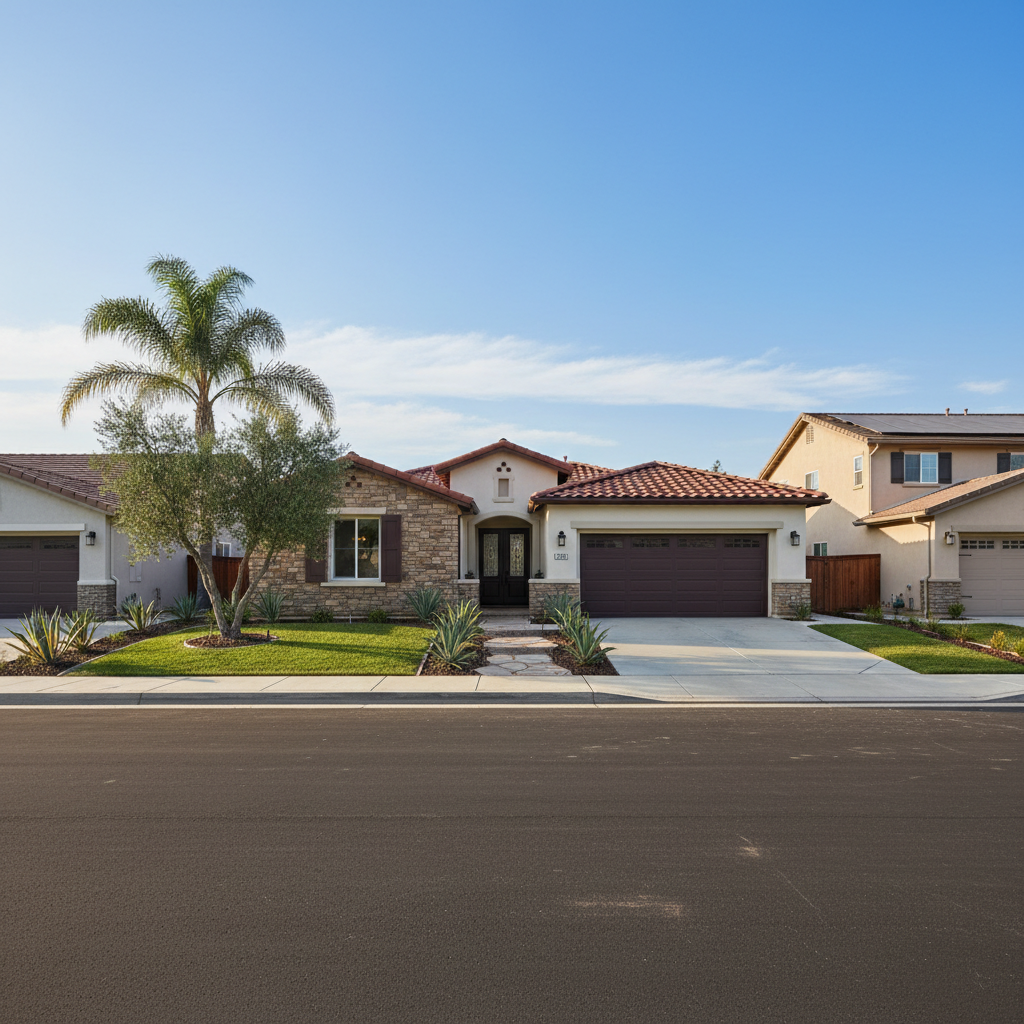
Facing foreclosure in Escondido can feel urgent and overwhelming. Learn practical ways to protect your options and decide whether selling your home may help.
The most important step is to act early. Whether you hope to keep the home or need to sell, understanding the process can give you more time to make a deliberate decision instead of reacting to a sale date.
Understand the California Foreclosure Process
Most California home foreclosures are nonjudicial, meaning the lender can generally foreclose without filing a court lawsuit. The process has required notices and waiting periods, but the details of your situation, loan, and notices matter.
Before recording a Notice of Default, a mortgage servicer generally must try to contact the borrower about options to avoid foreclosure. Once the Notice of Default is recorded, the foreclosure process formally begins. The lender generally must wait at least three months before recording a Notice of Sale, and the sale notice must provide advance notice before an auction can occur. Review your specific notices carefully because dates and rights can vary by circumstance. California Courts’ nonjudicial foreclosure guide [blocked] explains the general process and homeowner protections. (selfhelp.courts.ca.gov [blocked])
A foreclosure notice is serious, but it does not automatically mean you have no choices. The earlier you contact your servicer and assess the property, the more paths may be available.
What to Do After a Notice of Default
A Notice of Default is a signal to get organized. Avoid ignoring mail, calls, or documents from your lender, even if the situation feels stressful.
Start with these practical steps:
- Open every lender notice. Confirm the recorded dates, amounts claimed due, loan servicer contact information, and any scheduled sale date.
- Call your loan servicer. Ask which loss-mitigation options may be available and what documents are required.
- Gather financial documents. Recent pay stubs, bank statements, tax returns, hardship information, and mortgage statements may be needed.
- Request a payoff amount. If selling is a possibility, a payoff statement helps show what must be paid at closing.
- Talk with a qualified housing counselor or attorney. A HUD-approved housing counselor may help you understand foreclosure-prevention options, often at little or no cost. HUD’s foreclosure prevention resources [blocked] recommend working with a HUD-approved housing counselor and communicating promptly with your servicer. (hud.gov [blocked])
Be cautious with anyone who demands upfront fees, guarantees a loan modification, or tells you to stop communicating with your lender.
Options for Keeping Your Escondido Home
If keeping the property is your priority, ask your mortgage servicer about available options. The right solution depends on your loan type, payment history, income, hardship, and the servicer’s review.
Repayment plan or reinstatement
A repayment plan may spread missed payments over future monthly payments. Reinstatement generally means paying the past-due amount and permitted costs in one payment. California homeowners may have a right to reinstate before foreclosure, but deadlines can be close to the sale date, so confirm the amount and timing directly with the servicer or a qualified professional.
Forbearance or loan modification
Forbearance can temporarily reduce or pause payments, while a loan modification changes one or more loan terms. Neither is automatic, and both may require financial documentation and servicer approval.
Ask for written details. Make sure you understand the payment amount, when regular payments resume, whether missed amounts are deferred, and what happens if you cannot meet the new terms.
Refinance or other financing
Refinancing may help some owners, but it can be difficult when payments are behind, credit has changed, or the home has limited equity. A lender or qualified financial professional can explain whether financing is realistic for your circumstances.
Selling a House Before Foreclosure
Selling a house before foreclosure may be worth considering when keeping the home is no longer affordable, the property has equity, or you need a more certain exit plan. A completed sale can pay off the mortgage if the sale proceeds are enough to cover the lender payoff and closing costs.
Your main sale paths may include:
| Option | May fit when | Important consideration |
|---|---|---|
| Traditional listing | The home is market-ready and you have time for showings and buyer financing | Timelines can be less predictable, especially if a sale date is approaching |
| Direct cash sale | You want to avoid repairs, showings, or financing contingencies | The offer should be reviewed against your payoff, equity, and alternatives |
| Short sale | The home may be worth less than the mortgage payoff | Lender approval is required, and approval is not guaranteed |
A request for an offer does not stop foreclosure. Signing a purchase contract does not automatically stop foreclosure either. The sale must close, the lender payoff must be handled, and any auction date still needs to be addressed before the property is sold.
If you are comparing a direct sale with listing, review the tradeoffs in this cash offer versus listing guide. The best route depends on your timeline, condition of the home, equity, and whether you can realistically complete the sale before a scheduled auction.
When a Cash Sale May Be Practical
A direct cash sale can be one option for homeowners who need to move quickly, do not want to make repairs, or have a property that may be difficult to list conventionally. It can also be useful when coordinating showings, inspections, and financed-buyer contingencies feels unrealistic.
At My California Home Solution, we evaluate the property, estimated payoff needs, condition, and timeline before discussing an offer. We have closed 22 deals since 2025 across San Diego County and Riverside County, including wholesale assignments and flips. That experience helps us have straightforward conversations about property condition and closing logistics, but every foreclosure situation needs its own review.
A cash sale is not automatically the best financial outcome. Before accepting any offer, compare it with your estimated mortgage payoff, liens, property taxes, closing costs, relocation needs, and likely net proceeds. If you have questions about legal rights, taxes, credit effects, bankruptcy, or deficiency issues, speak with a California attorney, tax professional, or HUD-approved counselor.
For an Escondido-specific conversation, see our page on selling your Escondido house without repairs or showings. You can also review options for selling a house during foreclosure before deciding whether a direct sale fits your timeline.
Avoid Waiting for the Sale Date
Waiting can shrink your choices. A homeowner who begins reviewing options after a Notice of Default may have more room to pursue a repayment plan, modification, listing, cash sale, or other solution than someone who waits until an auction is imminent.
If a sale date has already been scheduled, ask your servicer for the current status in writing and get professional help promptly. The California Courts foreclosure resource page [blocked] lists legal-help and housing resources that may help you understand your next steps. (selfhelp.courts.ca.gov [blocked])
Frequently Asked Questions
Can I sell my house after receiving a Notice of Default?
Yes, selling may still be possible after a Notice of Default, provided the transaction can close before foreclosure and the lender payoff is addressed. Confirm any sale date and payoff amount as early as possible.
Does selling my house stop foreclosure in California?
Not by itself. Requesting an offer or signing a contract does not automatically stop foreclosure. The sale must close, and the lender must receive the required payoff before an auction occurs.
Can I keep my home if I am behind on mortgage payments?
Possibly. Contact your loan servicer to ask about repayment plans, forbearance, loan modification, reinstatement, or other loss-mitigation options. A HUD-approved housing counselor may also help you understand available choices.
Should I accept a cash offer before foreclosure?
It depends on your equity, payoff amount, property condition, timeline, and alternatives. Compare the expected net proceeds and consider professional legal, tax, or financial guidance before making a decision.
References
- California Courts: Nonjudicial Foreclosures [blocked]
- California Courts: Foreclosure Resources [blocked]
- HUD: Avoiding Foreclosure [blocked]
Ready to Get Started?
If you are facing a deadline and want to discuss the property and your selling options, we can have a low-pressure conversation about a possible direct sale. Visit our Escondido cash-home-sale page or call (858) 465-5417.
This article provides general information only and is not legal, tax, financial, or foreclosure advice.
Ready to Explore Your Options?
Get a no-obligation cash offer and choose the timing that works for you.
Get My Cash Offer